Uncategorized

Unlock Opportunities with a Successful Lending Business

The lending business plays a vital role in the economy, providing individuals and businesses with the financial resources they need to achieve their goals. From small personal loans to large business financing, lending services enable growth, investment, and stability. Operating a lending business requires a deep understanding of financial principles, risk management, and customer needs, but the rewards can be substantial for both lenders and borrowers.

lending business

Understanding the Lending Business

At its core, a lending business involves providing funds to borrowers in exchange for repayment with interest over a specified period. This can include personal loans, business loans, mortgages, and lines of credit. Lenders may operate independently, as part of a financial institution, or through online lending platforms.

The success of a lending business depends on balancing profitability with risk management. Effective lending strategies require thorough assessment of borrower creditworthiness, clear loan terms, and efficient collection processes. By maintaining this balance, lenders can achieve consistent growth while minimizing potential losses.

Types of Lending Services

Lending businesses offer a variety of services to meet the diverse financial needs of clients.

  1. Personal Loans: These are unsecured loans designed for individuals seeking funds for personal expenses, such as home improvements, education, or medical costs. Personal loans often rely on credit history and income verification for approval.
  2. Business Loans: Business financing helps companies expand operations, purchase equipment, or manage cash flow. Loans can be tailored to the specific needs of startups, small businesses, or established enterprises.
  3. Mortgage Lending: This type of lending provides funding for real estate purchases, allowing individuals and families to invest in property. Mortgages typically involve long-term repayment schedules and collateral in the form of the purchased property.
  4. Short-Term and Payday Loans: These loans are designed for immediate financial needs, usually repaid within a short period. They often carry higher interest rates due to the increased risk associated with short-term lending.

Building a Lending Business Strategy

A well-defined strategy is essential for the growth and sustainability of a lending business. Start by identifying your target market and understanding their financial needs. Personal loans may appeal to individuals with stable incomes, while business loans cater to entrepreneurs and company owners seeking capital for growth.

Risk assessment is a critical component of a lending strategy. Implementing robust credit evaluation procedures, verifying income, and reviewing repayment history helps mitigate potential losses. Many lenders also use scoring systems and predictive analytics to make informed decisions.

Interest rates and repayment terms must be competitive yet profitable. Offering flexible repayment plans and clear loan agreements improves customer satisfaction while ensuring financial viability for the lender.

Marketing Your Lending Services

Effective marketing is crucial for attracting clients in the competitive lending industry. Online presence, including a professional website and social media engagement, can help potential borrowers learn about your services. Highlighting the benefits of your lending options, such as fast approval, flexible terms, and personalized service, can set your business apart from competitors.

Networking with financial advisors, business consultants, and community organizations can also generate leads and build credibility. Positive reviews and word-of-mouth referrals are powerful tools for establishing trust in the lending business.

Technology in Modern Lending

Technology has transformed the lending industry, making it more efficient and accessible. Online loan applications, automated credit scoring, and digital payment processing streamline operations and reduce administrative costs.

Data analytics allows lenders to assess risk more accurately and tailor loan offerings to individual needs. Additionally, mobile applications and online platforms enable borrowers to manage loans, make payments, and track balances conveniently, enhancing customer experience.

Legal and Regulatory Considerations

Operating a lending business requires adherence to financial regulations and legal requirements. Compliance with lending laws, interest rate limits, and consumer protection standards is essential to avoid penalties and maintain credibility.

Lenders must also implement secure data management practices to protect sensitive borrower information. Understanding local and national regulations ensures that your lending operations remain ethical, transparent, and sustainable.

Managing Risk and Ensuring Profitability

Risk management is central to the success of a lending business. Assessing borrower creditworthiness, diversifying loan portfolios, and maintaining adequate reserves help protect against defaults. Regularly reviewing loan performance and adjusting strategies based on market trends can enhance profitability and reduce exposure to loss.

Offering insurance options or collateral-based loans can further safeguard your business. By combining risk management with strategic lending, lenders can achieve sustainable growth and long-term success.

Benefits of Operating a Lending Business

A well-run lending business offers numerous advantages:

  • Financial Growth: Interest income from loans provides a steady revenue stream for lenders.
  • Community Impact: Lending enables individuals and businesses to achieve goals, contributing to local economic growth.
  • Business Expansion Opportunities: A successful lending business can diversify into various loan types and financial services.
  • Professional Reputation: Providing reliable and ethical lending services builds trust and long-term client relationships.

Tips for Success in the Lending Industry

  1. Understand Your Market: Know the needs and preferences of your target audience.
  2. Implement Effective Risk Management: Evaluate borrowers thoroughly and maintain diversified portfolios.
  3. Focus on Customer Service: Clear communication, transparency, and flexibility improve borrower satisfaction.
  4. Leverage Technology: Utilize online platforms, analytics, and automation to enhance efficiency.
  5. Stay Compliant: Adhere to all legal and regulatory requirements to maintain credibility and avoid penalties.

Final Thoughts on Building a Thriving Lending Business

The lending business is a dynamic and rewarding industry that supports financial growth for individuals and organizations alike. By offering tailored loan solutions, implementing strong risk management, and embracing technological advancements, lenders can create a successful and sustainable operation.

From personal loans to business financing, mortgage services, and short-term lending, the opportunities in this sector are vast. Building a reputable lending business requires a combination of strategic planning, market understanding, and dedication to client needs.

With the right approach, a lending business not only generates profit but also fosters economic development, helping borrowers achieve their goals while establishing a lasting presence in the financial industry.
Logistics & Fulfillment Services

Logistics Beyond Boundaries: The Untold Future of 3PL Companies

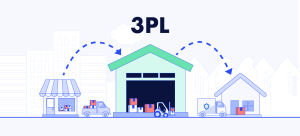
Every business that moves goods relies on timing. The modern supply chain is not just a path from warehouse to customer but a dynamic ecosystem of strategies, technology, and partnerships. At the heart of this evolving landscape stand 3PL companies, entities that are redefining how products travel and how businesses operate. Their role has expanded far beyond storage and delivery, becoming an integral force in global trade and commercial innovation.

3PL Companies

Third-party logistics providers have evolved into architects of efficiency. They no longer simply offer transport solutions but now design end-to-end systems that align with business goals and customer expectations. Their services include inventory optimization, demand forecasting, returns handling, and even sustainability management. Each layer of this service model is tailored to reduce costs, improve speed, and provide visibility — all while enhancing the customer experience. Visit https://www.idealfulfillment.com/ to learn more.

What sets 3PL companies apart is their capacity to adapt. As consumer expectations shift toward faster delivery, greater transparency, and seamless service, these providers evolve their strategies in real time. Automation, predictive analytics, and artificial intelligence are now standard tools that guide decisions, anticipate disruptions, and optimize routes. This level of agility allows businesses to scale effortlessly without overextending their internal resources.

The most impactful transformation in the 3PL space is the integration of technology into every process. Data-driven insights now shape how goods are stored, packed, and shipped. Predictive algorithms analyze demand patterns to pre-position inventory, reducing transit times. Real-time tracking systems give businesses and customers immediate visibility, fostering trust and accountability throughout the supply chain.

One of the most significant advantages of partnering with a 3PL provider is scalability. Companies can expand into new markets without the burden of building their own logistics infrastructure. Instead of purchasing fleets, leasing warehouses, or hiring logistics staff, they leverage the provider’s network and expertise. This flexibility is crucial in volatile markets where demand can surge or shrink unpredictably.

Sustainability has also become a defining feature of the modern 3PL landscape. Environmental concerns are pushing companies to adopt greener practices, and logistics is no exception. Providers are now optimizing delivery routes to reduce fuel consumption, investing in energy-efficient warehouses, and exploring alternative transportation methods. This not only reduces environmental impact but also aligns with consumer preferences for responsible business practices.

Another critical area where 3PL companies shine is risk management. Supply chains are vulnerable to a range of disruptions, from natural disasters to geopolitical tensions. These providers use sophisticated contingency planning and diversification strategies to mitigate risks. By leveraging multiple transportation modes, maintaining regional distribution centers, and utilizing predictive analytics, they ensure continuity even under challenging conditions.

The customer experience has also become a focal point for logistics providers. In an age where speed and convenience define brand loyalty, 3PL companies are investing in last-mile innovation. Same-day delivery, flexible scheduling, and real-time communication are no longer luxuries but expectations. Providers are building solutions that integrate seamlessly with e-commerce platforms, enhancing every touchpoint of the buying journey.

One of the less-discussed but highly impactful roles of 3PL companies is in data centralization. By managing logistics across multiple channels and geographies, they accumulate vast amounts of information on consumer behavior, demand cycles, and market trends. Businesses can use these insights to refine product strategies, improve marketing, and anticipate shifts before they occur. This transforms logistics from a backend function into a strategic growth driver.

Globalization has created both opportunities and complexities in supply chain management. As businesses expand their reach, they face challenges related to customs, compliance, and cross-border transportation. 3PL companies specialize in navigating these complexities. Their knowledge of international regulations and trade requirements allows companies to focus on core operations while ensuring their products reach customers smoothly and legally.

Collaboration between businesses and their logistics partners has become increasingly strategic. Instead of transactional relationships, many companies now treat their 3PL providers as extensions of their own teams. Joint planning sessions, shared data platforms, and integrated systems ensure that both parties work toward common goals. This level of collaboration not only improves operational efficiency but also drives innovation.

The shift toward omnichannel retail has also influenced the evolution of third-party logistics. Consumers now expect to buy anywhere, receive anywhere, and return anywhere. To meet these demands, 3PL companies are building flexible fulfillment networks capable of supporting multiple sales channels simultaneously. This includes e-commerce platforms, physical stores, and hybrid delivery models, all coordinated from a single logistics ecosystem.

Even the nature of warehouses has changed due to the influence of 3PL providers. Traditional storage facilities are being replaced by smart distribution centers equipped with robotics, IoT sensors, and automated sorting systems. These facilities not only process orders faster but also provide real-time data on inventory levels, reducing the risk of stockouts and overstocks. They also enable businesses to respond rapidly to demand spikes.

Cost efficiency remains one of the most compelling reasons businesses partner with 3PL companies. By consolidating shipments, optimizing load capacities, and negotiating better rates with carriers, they reduce overall logistics expenses. Additionally, their advanced forecasting tools help minimize inventory holding costs, freeing up capital for other business initiatives. This balance of cost reduction and performance improvement is a significant competitive advantage.

The evolution of consumer expectations continues to push logistics innovation forward. As personalization becomes more central to the shopping experience, 3PL companies are exploring customized delivery options, packaging solutions, and value-added services. From temperature-controlled storage for sensitive products to white-glove delivery for premium items, logistics providers are diversifying their offerings to meet niche needs.

Security and compliance have also taken center stage in logistics operations. As supply chains grow more complex, the risk of theft, counterfeiting, and regulatory violations increases. 3PL companies invest heavily in security protocols, tracking technologies, and compliance monitoring to safeguard goods and maintain legal standards. These efforts protect both the reputation and bottom line of their clients.

The future of 3PL companies lies in deeper integration with emerging technologies. Artificial intelligence will continue to refine demand forecasting and route optimization. Blockchain may become standard for enhancing supply chain transparency and traceability. Autonomous vehicles and drones could revolutionize last-mile delivery, further shortening delivery windows and reducing costs. These innovations will redefine what’s possible in logistics.

At the same time, the human element remains vital. Despite automation and digitization, logistics still requires skilled professionals to manage relationships, make complex decisions, and solve unforeseen challenges. The most successful 3PL companies are those that combine technological sophistication with human expertise, creating agile and resilient logistics solutions.

The role of 3PL companies will continue to expand as global commerce becomes more interconnected. They are no longer just service providers but strategic partners that enable growth, drive innovation, and create competitive advantage. Businesses that harness their capabilities gain more than logistics support — they gain a powerful engine for transformation.

As industries evolve and consumer expectations soar, the logistics landscape will become even more complex. 3PL companies will rise to the challenge by becoming more adaptive, intelligent, and integrated. Their ability to turn logistics into a source of value rather than a cost center will define the next era of business success. And as they do, they will continue to shape the future of commerce, connecting businesses and customers in ways that were once unimaginable.